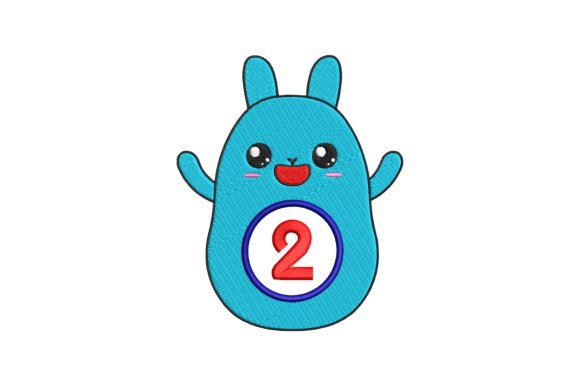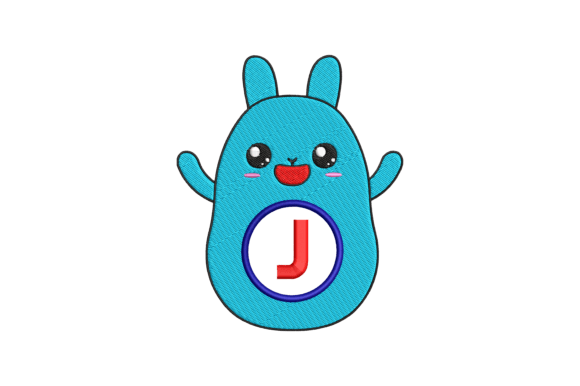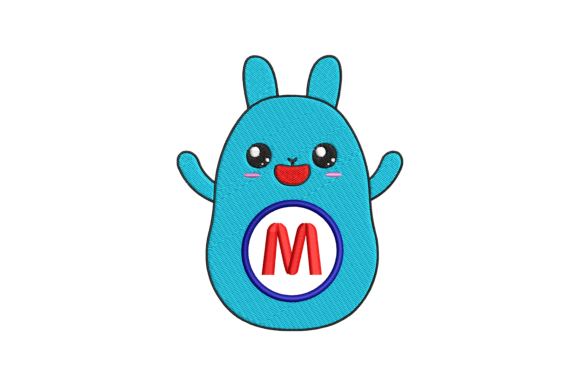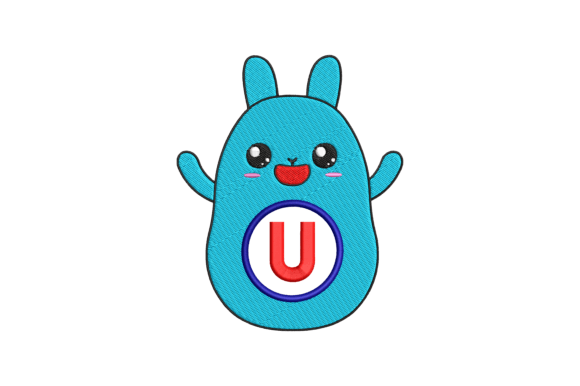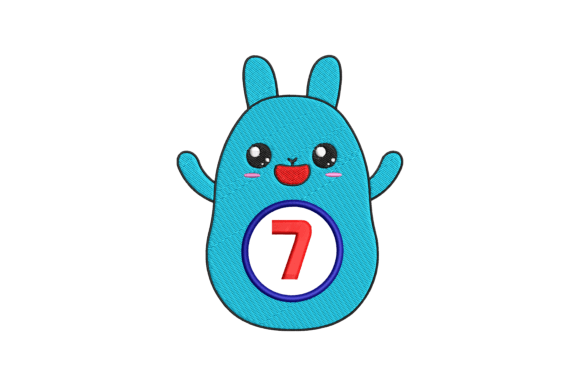
Cute Rabbit Number 7
First Impressions of Cute Rabbit Number 7
The design of Cute Rabbit Number 7 immediately conveys a sense of playful charm and friendly appeal. With its soft lines and whimsical style, it feels like a perfect fit for small businesses looking to add a touch of personality to their merchandise. The overall aesthetic leans toward the handmade and modern, making it ideal for boutique brands, Etsy sellers, and creative studios that want to stand out with unique, eye-catching designs.
As an embroidery designer, I find the visual balance of the piece well-considered. It’s not overly detailed, which makes it adaptable for various applications. However, its simplicity also means it may require careful consideration when used in high-stitch-density areas or on textured fabrics.
Real Business Use of Cute Rabbit Number 7
Cute Rabbit Number 7 has clear potential as a branded patch, chest logo, or sleeve detail. Its size and shape make it versatile enough for use on caps, tote bags, and even aprons. For small business merch, this design can serve as a memorable visual element that enhances brand identity without overwhelming the product.
When considering custom apparel or apron embroidery, the design works best when placed prominently. It can be used as a subtle accent or a bold statement, depending on the desired effect. In a back-to-school context, it could be a fun addition to student uniforms, backpacks, or classroom supplies.
For tote bag design, Cute Rabbit Number 7 adds a friendly, approachable feel that aligns well with eco-conscious or lifestyle brands. On work shirts or event merch, it provides a professional yet engaging look that can help build customer recognition.
Where to Use Cute Rabbit Number 7 Carefully
While Cute Rabbit Number 7 is visually appealing, there are certain scenarios where caution is advised. On small patch sizes, the details might become too compressed, leading to a loss of clarity. Similarly, when used on cap fronts or curved surfaces, the design may not translate as smoothly as on flat, rectangular areas.
High stitch density areas or intricate outlines could cause issues if the machine embroidery design isn’t optimized. This is especially true for textured fabric or dark uniforms, where the contrast between the thread colors and the background becomes critical. A mismatch in thread colors could make the design less visible or unprofessional.
Small lettering or fine details may also be affected by the stabilizer used during the embroidery process. If not properly supported, these elements could shift or distort, resulting in a less-than-ideal finished product.
Impact on Brand Identity and Customer Trust
When used effectively, Cute Rabbit Number 7 can significantly enhance brand identity. It brings a sense of creativity and individuality that resonates with customers who value handmade or personalized items. This is particularly beneficial for handmade product creators, Etsy sellers, and small business owners aiming to build a loyal customer base.
The design also contributes to visual consistency across different products. Whether it’s used on a printable mockup for client approval or as part of commercial embroidery projects, it maintains a cohesive look that supports the overall brand message.
From a customer engagement perspective, the playful nature of Cute Rabbit Number 7 can make a lasting impression. It helps differentiate a brand from competitors and creates a more memorable experience for buyers.
Practical Tips for Embroidery Designers
Before finalizing the use of Cute Rabbit Number 7, I recommend testing it in black and white first. This will help determine how well it translates on different fabrics and under varying lighting conditions. Checking its appearance at a small patch size is also crucial, as some details may not scale well.
Reviewing thread color contrast is another important step. Ensuring that the chosen colors stand out against the fabric will prevent any issues with visibility or professionalism. Additionally, inspecting the spacing between elements and confirming the hoop size required for the design can save time and reduce errors during production.
Testing on real fabric and using the appropriate stabilizer will ensure the design holds up during the embroidery process. Creating a printable mockup for client approval can also help set expectations and avoid last-minute changes.
Finally, always compare Cute Rabbit Number 7 with other design assets to maintain visual harmony across all branding materials. Confirming commercial licensing before use is essential to avoid legal complications, especially for businesses planning to sell products featuring this design.
Conclusion: A Versatile Design for Small Businesses
Cute Rabbit Number 7 offers a unique blend of charm and adaptability that makes it suitable for a wide range of small business applications. From embroidered patches to cap embroidery and tote bag design, it can be a valuable addition to any brand’s visual toolkit.
With careful consideration and proper execution, this design can elevate the quality and appeal of small business merch while reinforcing a strong, recognizable brand presence. As an embroidery designer, I see great potential in using Cute Rabbit Number 7 to create meaningful, high-quality products that resonate with customers and support long-term business growth.